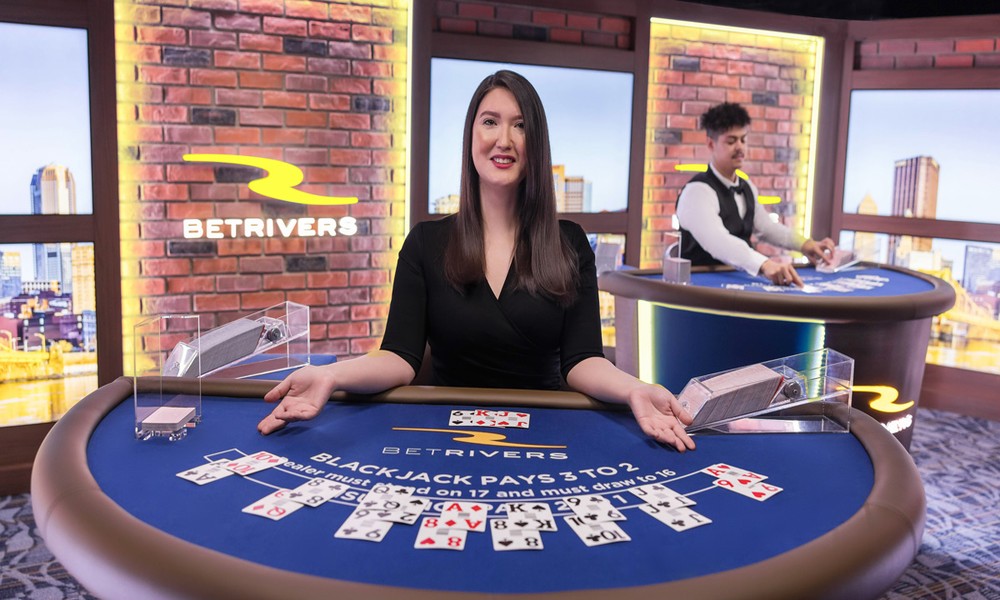


The difference between a licensed lottery platform and an unlicensed one is not always visible at first glance. Both display draws, accept entries, and show competitive prize figures. What separates them sits beneath the surface? There are a number of legal obligations the operator has, as well as player protections. Participation involves making that distinction before registering for an account. Players who participate through เว็บหวยลาว ซื้อหวยออนไลน์ engage with a regulated platform with defined commitments. That framework gives every transaction, every draw result, and every withdrawal request a layer of accountability that unlicensed platforms lack.
Accountability changes everything
A licensed operator answers to a regulatory authority with real power to impose requirements, conduct audits, and take direct action when compliance standards are not met. That accountability runs throughout the platform’s operation, not only at initial licensing approval. Players who experience a dispute with a licensed operator have a formal escalation path available to them. If direct resolution with the platform fails, the regulatory body provides an independent review mechanism that the operator is legally obligated to participate in. That route exists because of the licensing relationship. This is precisely why choosing a licensed platform makes every other player’s protection meaningful in practice rather than simply theoretical.
Fair draws are verified
Licensed platforms submit their draw systems to independent testing before operation begins and regularly throughout their active period. Specialist testing laboratories assess random number generation systems against statistical standards that confirm genuine unpredictability across large sample sets. This is before certification is issued. Those assessment results form part of the platform’s ongoing compliance record, reviewed regularly by the regulatory authority. A platform unable to demonstrate continued adherence to draw integrity standards faces direct consequences from its licensing body. Players on licensed platforms benefit from that continuous verification cycle automatically, without assessing the draw system independently themselves.
Funds are protected
Player account balances on licensed platforms are subject to fund protection requirements that keep player funds structurally separate from the operator’s own working capital. That separation ensures a player’s wallet balance remains accessible even if the platform encounters financial difficulty at the operational level. This protection exists because the licensing framework mandates it. The operator has no discretion whether to comply. A player’s deposited balance sits within a protected structure that the regulatory authority monitors as part of its ongoing oversight role. This gives every account holder a level of security that operates independently of the platform’s day-to-day financial performance.
Data handling obligations
The licensing frameworks govern how player information is collected, stored, accessed, and used across the platform. Data handling standards must be met by licensed operators. They usually align with broader data protection legislation. Players registered on a licensed platform have a clearly defined basis for how their data will be treated throughout their account’s lifetime. If those standards appear to have been breached, a regulatory body exists to receive and investigate that concern formally. That defined basis and that avenue for recourse exist only because the operator holds a license that makes both legally enforceable.
Licensing status determines the entire foundation a player stands on when participating. Every protection traces directly back to whether that status exists and remains active.